
low iron glass price
How to Adjust a Water Pressure Reducing Valve A water pressure reducing valve (PRV) is a critical component in plumbing systems, particularly in areas where the municipal water supply pressure is too high. These valves help to regulate and lower the incoming water pressure to a safe and manageable level. Adjusting a PRV can improve the performance of your plumbing fixtures, extend the lifespan of your appliances, and enhance water efficiency. Here’s a step-by-step guide on how to adjust a water pressure reducing valve effectively. Understanding the Valve Before you begin the adjustment, it’s essential to understand how a PRV works. The valve typically has an adjustment screw or knob that controls the spring mechanism inside. This mechanism regulates the pressure of the water that passes through the valve. Tools You’ll Need - Adjustable wrench or pliers - Pressure gauge (for accurate measurements) - Screwdriver Step 1 Check the Current Pressure Before making any adjustments, you should determine the current water pressure in your system. To do this, attach a pressure gauge to an outdoor faucet or any other accessible water outlet. Turn on the water and note the pressure reading. The ideal household water pressure usually ranges between 40 to 60 psi (pounds per square inch). Step 2 Locate the PRV Identify the location of your PRV. It’s typically found near the main water supply line, often close to the water meter. The valve may look like a bell-shaped device or a cylindrical body. how to adjust water pressure reducing valve Step 3 Make Adjustments Once you have located the PRV and noted the current pressure, you can proceed with the adjustment 1. Loosen the Lock Nut If your PRV has a lock nut, use your adjustable wrench to loosen it, allowing you to turn the adjustment screw comfortably. 2. Adjust the Screw To increase the water pressure, turn the adjustment screw clockwise. To decrease the pressure, turn it counterclockwise. Make small adjustments (about a quarter turn) and re-check the pressure after each adjustment using the pressure gauge. 3. Recheck Pressure After making your adjustments, turn on a few faucets in your home to allow the system to stabilize. Take another reading with the pressure gauge to ensure the pressure is within your desired range. Step 4 Secure the Adjustment Once you have achieved the desired pressure, remember to tighten the lock nut on the PRV to keep the adjustment secure. Conclusion Adjusting a water pressure reducing valve is a straightforward process that can greatly benefit your plumbing system. By ensuring that you maintain an appropriate water pressure, you can optimize the efficiency of your plumbing fixtures and appliances. Regular checks and adjustments can help prevent leaks and damage, ensuring a longer lifespan for your plumbing system. If you encounter persistent issues or are unsure about the adjustments, don’t hesitate to consult a professional plumber for assistance.
about
low iron glass price
Understanding the Main Water Shut-Off Valve Importance and Maintenance The main water shut-off valve is a critical component in any residential or commercial plumbing system. This valve controls the flow of water into your home, making it essential for routine maintenance, emergency situations, and preventing water damage. Understanding its location, function, and maintenance can save homeowners time, money, and potential headaches. What is the Main Water Shut-Off Valve? The main water shut-off valve is typically located near where the main water line enters your home. In most cases, you can find it in the basement, crawl space, or outside the home near the foundation. The valve allows you to shut off the water supply quickly in case of a leak, burst pipe, or plumbing emergency. This is crucial, as significant water leaks can lead to extensive damage to your property and costly repairs. Types of Shut-Off Valves There are several types of shut-off valves that homeowners may encounter 1. Gate Valves These are traditional types of valves that use a gate to control water flow. They can be more difficult to operate and may become stuck over time, especially if they are rarely used. 2. Ball Valves Ball valves feature a spherical disc that provides a reliable and efficient way to start or stop water flow. They are generally easier to turn and less likely to leak compared to gate valves and are often the recommended choice for main shut-off valves. 3. Angle Stop Valves These valves connect the water supply line to the plumbing fixtures. They are typically used for individual fixtures rather than the main supply. Importance of the Main Shut-Off Valve Having a functioning main water shut-off valve is crucial for several reasons - Emergency Control In the event of a burst pipe or plumbing failure, knowing how to quickly shut off the main water supply can prevent extensive water damage and reduce the risk of mold growth. - Water Conservation If you're performing plumbing repairs or renovations, shutting off the water supply can help avoid wastage and provide a controlled environment for work. main water shut off valve - Routine Maintenance Regularly testing your main shut-off valve ensures that it’s functioning correctly when you need it. An untested valve may not operate effectively during an emergency. How to Locate and Operate the Main Shut-Off Valve Finding your main water shut-off valve may require some exploration. It is often metallic and can be identified as a round or lever-style handle. Here's how to locate and operate it 1. Search Common Areas The valve is usually located where the main water line enters the house. Look in the basement, near the water meter, or outside near the foundation. 2. Turn Off the Valves If the valve has a round handle, turn it clockwise until it stops. If it has a lever, turn it perpendicular to the pipe to shut it off. It’s essential to familiarize yourself with this process ahead of time. Maintenance Tips To ensure your main water shut-off valve operates effectively when needed, consider the following maintenance tips - Regular Inspection Periodically inspect the valve for signs of corrosion, leaks, or damage. If the valve shows any signs of wear, consider replacing it. - Exercise the Valve If the valve is rarely used, exercising it by turning it on and off a few times a year will help prevent it from becoming stuck. - Keep It Accessible Ensure that the area around your valve is clear of clutter, so you can access it quickly in an emergency. Conclusion The main water shut-off valve is a vital part of your plumbing system that every homeowner should be familiar with. By understanding its importance, knowing how to locate and operate it, and performing regular maintenance, you can avoid significant water issues and ensure your home remains safe and sound. Taking the time to familiarize yourself with this crucial valve could mean the difference between a minor inconvenience and a costly disaster.
-

High quality industrial productsagement

High quality industrial products
View Details -

Meet the diverse needs of customers

Meet the diverse needs of customers
View Details -

Strict quality control

Strict quality control
View Details -

Top raw materials

Top raw materials
View Details -

Trusted supplier

Trusted supplier
View Details
Our application


news and information
Versatile Welding Table Clamps for Secure and Efficient Metalworking Projects and Fabrication Tasks
The Importance of Welding Table Clamps in Metalworking Welding is a fundamental process in metalwork
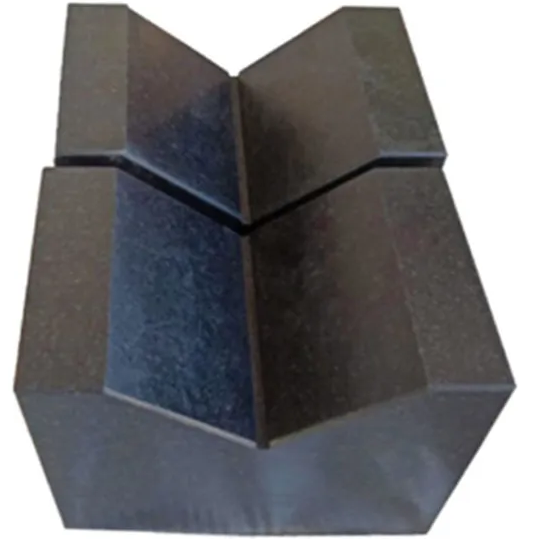
y type suction strainer
Understanding Y-Type Suction Strainers A Comprehensive Guide In various industrial applications, mai
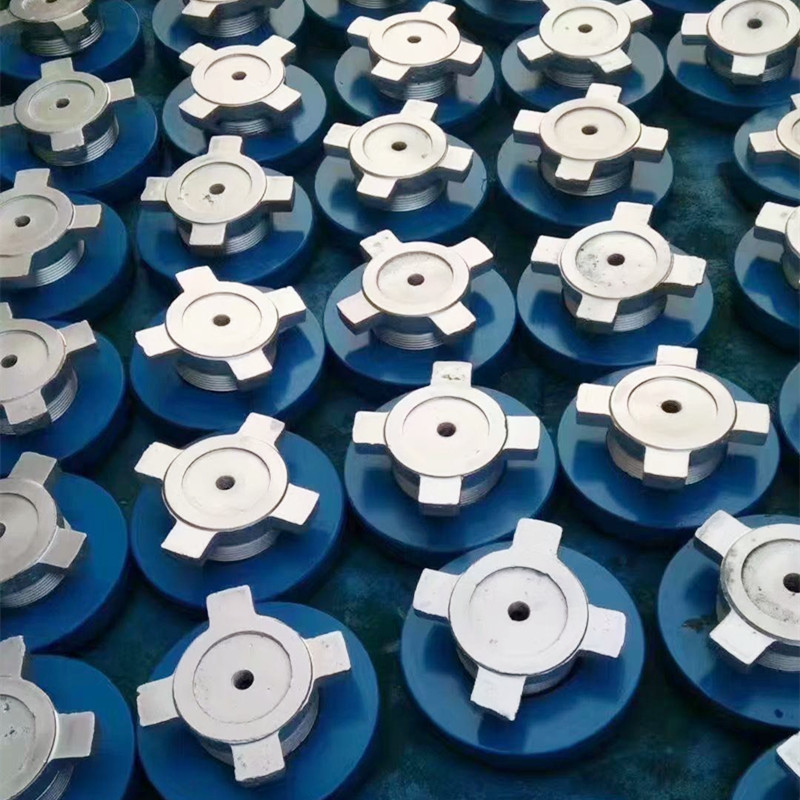
Water Gate Valve Pricing Guide for Affordable Options and Quality Choices
water gate valve price
 English